

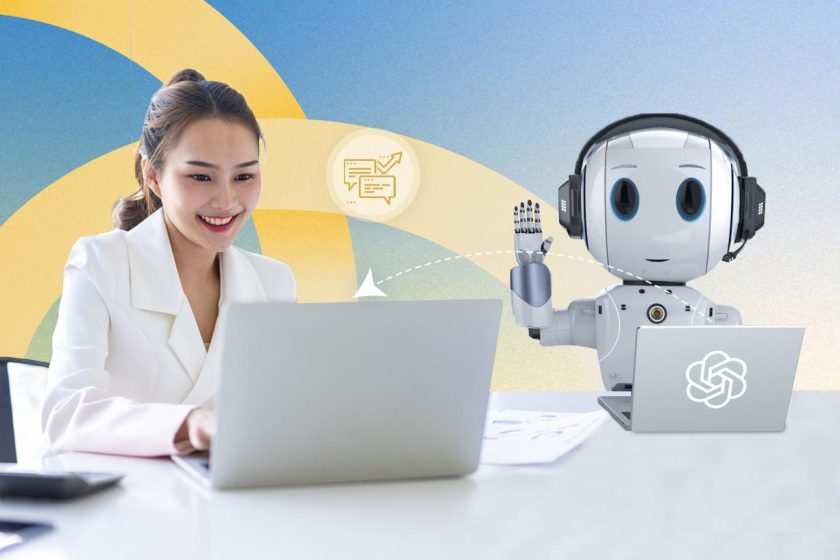
Today’s workplaces move faster, rely more on tech, and ask more of employees than ever. Employees need to juggle many tasks at once—like emails, reports, meetings, and data crunching—often with tight deadlines. Over time, this non-stop pressure makes it hard to focus, amps up stress, and affects work quality. In this climate, being productive isn’t about clocking more hours; it’s about working smarter.
How Does ChatGPT Boost Work Efficiency?
ChatGPT has a positive impact on workplace efficiency by taking over routine jobs like writing emails, summing up documents, creating reports, and putting together meeting notes. It allows professionals to work more lowers their mental load and lets them zero in on more valuable tasks such as making decisions and talking to others. This makes it helpful in fast-moving digital work settings.
Here’s where ChatGPT has turned into a game-changing productivity boost. By 2026, ChatGPT isn’t just some AI chatbot experiment anymore. People are putting it to work across HR, admin, finance, marketing, operations, and management jobs to cut down on boring tasks, make decisions faster, and step up their work quality. When you use it right, ChatGPT works like a digital helper that gives professionals back their time and brainpower.
How ChatGPT Fits into Work Life
ChatGPT is an AI-powered language tool that understands instructions and creates responses that sound like a human wrote them. In real life, this means it can write emails, sum up documents, organize reports, come up with ideas, and even explain hard stuff in simple words. Instead of starting jobs from nothing, employees can use ChatGPT to make good first drafts, outlines, or summaries then make them better with their own judgment.
It’s key to remember that ChatGPT doesn’t replace expert knowledge. Instead, it makes routine jobs easier so employees can focus on making decisions talking to others, and thinking about big picture stuff—areas where people’s input matters most.
How ChatGPT Boosts Work Efficiency
ChatGPT has a huge impact on productivity by helping with routine tasks. Writing emails, company updates, meeting notes, or policy changes often takes longer than you’d think. With ChatGPT, you can give it a few main ideas and get a well-organized professional draft in no time. This cuts down on the time you spend figuring out how to say things and format them, while still keeping everything clear and consistent.
ChatGPT also makes creating content much faster. If you’re working on proposals, presentations, training stuff, or social media posts, you can use it to come up with ideas, create outlines, and write drafts that match specific styles or target audiences. Instead of starting from scratch, you begin with a solid foundation that you can then tweak to fit what your company needs.
ChatGPT has an influence on productivity in research and information processing. It can boil down lengthy documents, clarify unfamiliar ideas, and spot key points in reports. This helps professionals grasp new subjects without poring over dense text for hours.
It also makes meeting prep more productive. It can help organize meeting plans, sketch out talking points, and create action summaries afterward. This keeps meetings on track, time-limited, and results-focused instead of rambling and repetitive.
Finally, it cuts down time spent looking for facts. Rather than combing through lots of papers or websites, professionals can ask specific questions and get brief answers. This speeds up decision-making and smooths out workflow management.
Common Workplace Uses of ChatGPT
| Work Area | How ChatGPT Improves Productivity |
| Administration | Drafts emails, memos, meeting minutes, and internal announcements |
| HR & People Ops | Creates job descriptions, onboarding content, policy drafts, and training summaries |
| Management | Structures reports, prepares presentations, summarises data insights |
| Marketing & Comms | Generates content ideas, drafts posts, rewrites content for different audiences |
| General Office Work | Explains complex topics, speeds up research, reduces manual writing effort |
Using ChatGPT at Work
ChatGPT is powerful but getting more done hinges on using it right. You should always double-check what it spits out when you’re dealing with sensitive stuff, following rules, or making big decisions. In Singapore offices, this matters a lot for sticking to PDPA rules compliance, internal data confidentiality, and reporting to regulators.
It shines as a tool to get the ball rolling or lend a hand, not to make final calls. Employees who mix AI help with what they already know about their field see the biggest jumps in getting things done.
Getting the Hang of ChatGPT at Work
A lot of employees have trouble not because It is hard to use, but because they’re not sure how to ask it the right questions or use it in their actual work. This is why organized training is essential. The best AI course teaches how to write good prompts, use ChatGPT for everyday office work, and connect it with tools like Microsoft Office, Google Workspace, and team platforms.
Infotech Essential Office Skills Course aims to help working adults use ChatGPT, AI tools, and modern office software with confidence and responsibility. The course emphasizes practical workplace applications instead of technical theories making it accessible to professionals without a technical background. Qualifying students can also get SkillsFuture subsidies up to 70%.
Final Thoughts: Productivity Comes From Smart Tools, Not More Hours
In 2026, a professional’s productivity hinges on their skill with digital tools, not on the hours they spend at their desk. ChatGPT stands out as one of the most useful tools to cut down workload, boost productivity, and keep work quality high when under pressure.
Learning to use ChatGPT well—along with strong digital skills—allows professionals to work more smarter, avoid burnout, and produce better results.
Want to increase your productivity with AI? Check out Infotech Academy’s ChatGPT Course You’ll learn to use ChatGPT workplace AI tools, and modern office software with confidence—and SkillsFuture subsidies are available.
Frequently Asked Questions:
Can ChatGPT save time at work?
Yes. ChatGPT cuts down the time people spend on everyday tasks like writing emails summing up documents, and creating reports. By producing first drafts, it allows professionals to focus on looking over and making content better instead of starting from nothing. This saves them many hours each week.
Can non-technical professionals use ChatGPT?
Yes. ChatGPT works with everyday language. Office staff, HR teams, employers, and company owners use it without tech know-how. The trick is to learn how to give clear instructions and put the results to work in real jobs.
Is ChatGPT safe to use at work?
People should use ChatGPT. Don’t put in secret or private personal info and always check what it says before using it. Many companies have rules about using AI to keep data safe and follow privacy laws.
What jobs should not be done by ChatGPT?
Jobs involving legal choices regulatory adherence sensitive HR issues, or financial sign-offs shouldn’t depend on ChatGPT. AI results should back up—not take the place of—expert judgment in high-risk scenarios.

I’ve always been drawn to the power of writing! As a content writer, I love the challenge of finding the right words to capture the essence of HR, payroll, and accounting software. I enjoy breaking down complex concepts, making technical information easy to understand, and helping businesses see the real impact of the right tools.