

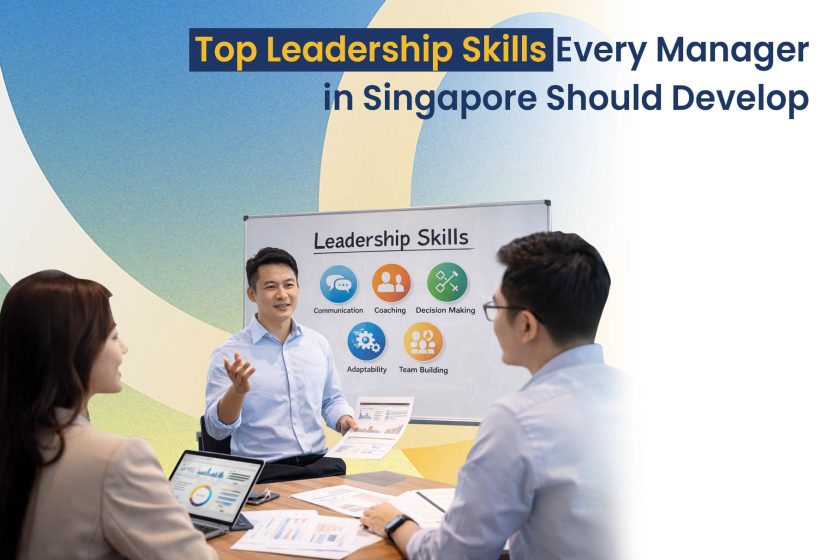
Being a manager is not just about assigning tasks and monitoring performance, In Singapore’s fast-paced and highly competitive business environment, managers are expected to lead diverse teams, adapt to constant change, and make decisions that drive long-term results. Strong leadership skills are no longer optional. They directly impact team performance, employee retention, and organisational growth. Whether you are an aspiring manager or an experienced leader, developing the right leadership capabilities is essential to remain effective and relevant. This guide outlines the key leadership skills every manager in Singapore should develop and why they matter.
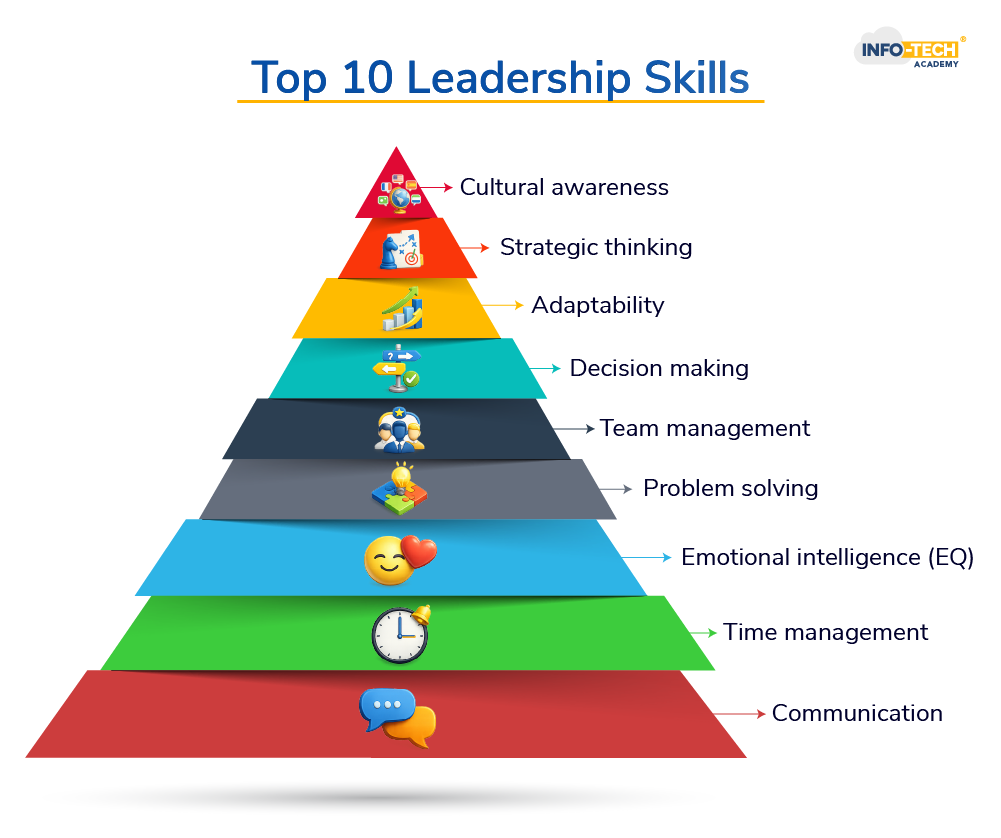
1. Effective Communication Skills
Communication is one of the most fundamental leadership skills. Managers must be able to convey expectations clearly, provide constructive feedback, and ensure alignment across teams.
In Singapore’s multicultural workplace, communication also requires clarity and sensitivity to different working styles.
Strong communication helps managers:
- Set clear expectations and goals
- Avoid misunderstandings
- Build trust and credibility within teams
2. Emotional Intelligence (EQ)
It is the ability to recognize and manage one’s own emotions while understanding others’ too. Managers with strong EQ are better at handling workplace challenges, resolving conflicts, and maintaining team morale.
It helps with:
- Building stronger relationships
- Managing stress and pressure effectively
- Handling feedback and conflict professionally
3. Adaptability
Business environments in Singapore are shaped by digital transformation, regulatory changes, and global competition. Managers must be able to adapt quickly to new situations.
Adaptability involves staying open to change and being willing to adjust strategies when required.
Effective leaders demonstrate adaptability by:
- Embracing new ideas and technology
- Continuous upskilling
- Embracing change, not resisting it
4. Decision-making
Managers are responsible for making decisions that affect both team performance and business outcomes.
Good decision-making requires a balance of data, experience, and judgement.
It involves:
- Analyzing information
- Evaluating risks
- Choosing the best course of action
5. Team Management and Collaboration
A manager’s success is closely tied to the performance of their team. Effective team management ensures that individuals work well together and contribute to shared goals.
This includes:
- Understanding individual strengths
- Delegating tasks appropriately
- Encouraging collaboration and accountablity
6. Cultural Awareness
In a diverse workforce like Singapore, employees from various cultural, ethnic, and professional backgrounds would work together. Cultural awareness is essential for effective leadership.
Managers should be able to:
- Respect different styles of communication
- Understand diverse work expectation
- Foster an inclusive work environment
7. Problem-Solving
Every organization faces challenges that need to be handled quickly and effectively. Effective leaders identify the root cause and give long-term solutions. They turn obstacles into opportunities and ensure that the setbacks do not block progress in any way.
Strong problem-solving skills enable managers to:
- Respond quickly to issue raised
- Develop practical, long-term solutions
- Turn challenges into opportunities for improvement
8. Strategic Thinking
Managers must look beyond day-to-day tasks and focus on long-term objectives.
Strategic thinking involves aligning team efforts with broader organisational goals.
This includes:
- Planning ahead
- Understanding market trends
- Identifying growth opportunities
- Making decisions that support long-term success
9. Time Management
With meetings, deadlines, team supervision, and strategic planning, managers hold multiple responsibilities in hand. Proper time management involves:
- Prioritizing urgent & important tasks
- Setting realistic timelines
- Minimizing unnecessary distractions
10. Continuous Learning
In today’s evolving business landscape, managers have to continuously upskill themselves in order to achieve long-term success. Managers must always be open and willing to learn, grow, and adapt. It is important to:
- Embrace challenges
- Learning from experience and feedback
- Investing in structured training and development
Conclusion
Leadership in Singapore demands a combination of communication, emotional intelligence, adaptability, and strategic thinking. Managers who invest in developing these leadership skills can effectively lead diverse teams, smoothly navigate challenges, and thoroughly drive organizational success. Take up a leadership course to develop your leadership skills today! Info-Tech provides WSQ approved courses for both beginners and professionals, equipping you with essential skills and digital proficiency to stay informed in today’s evolving job market.
Leadership Skills FAQs
What are the 5 key leadership skills?
The 5 key leadership skills are communication, emotional intelligence, decision making, adaptability, and time management.
What do you learn in a leadership course?
Yes, for anyone who wants to improve people management, communication, decision making, and grow into higher-responsibility roles, leadership course would be useful.
What are the 3 C’s of leadership?
The 3 C’s of leadership are Communication, Confidence, and Commitment
Is a leadership course worth it?
Yes, for anyone who wants to improve people management, communication, decision making, and grow into higher-responsibility roles, leadership course would be useful.

Transforming thoughts and concepts into clear, compelling words is a powerful tool that connects people. While writing boosts my creativity, reading broadens my perspective and sharpens my understanding of language and narration.